What YFC is Doing

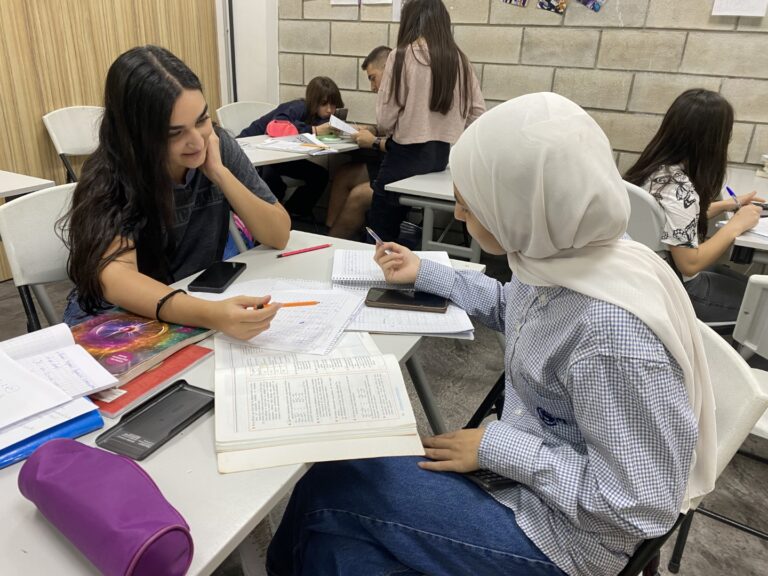
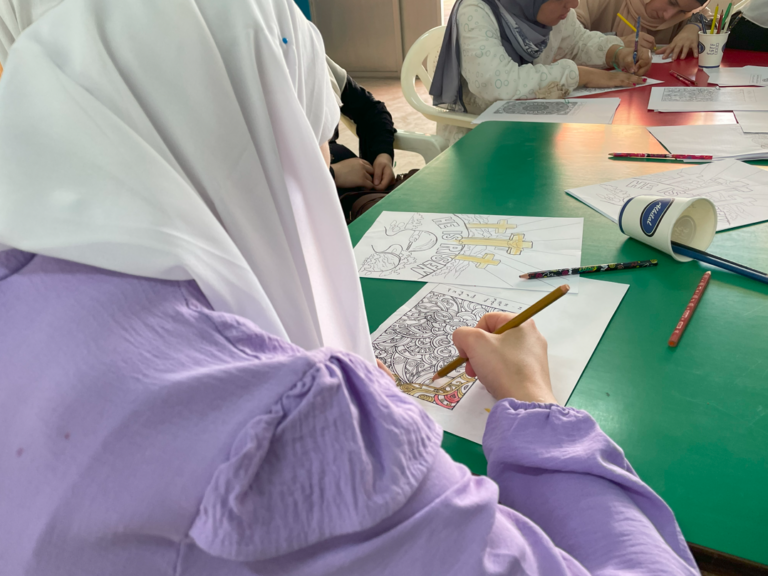
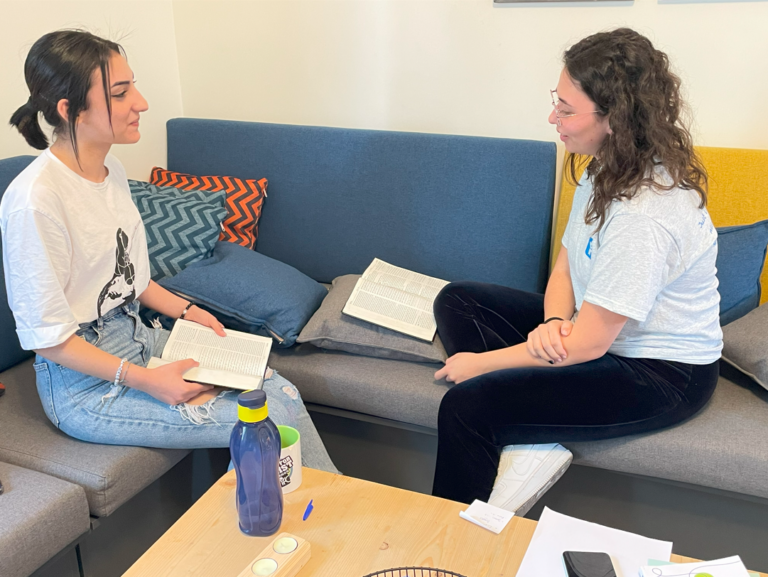
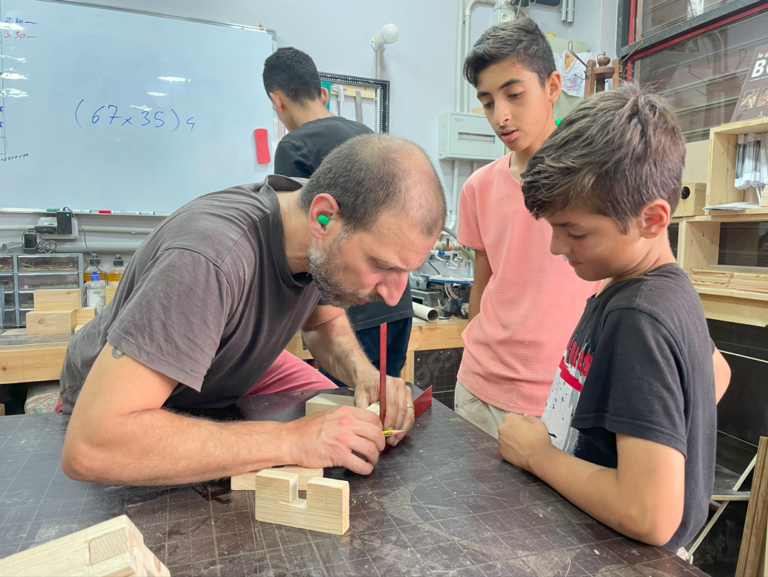
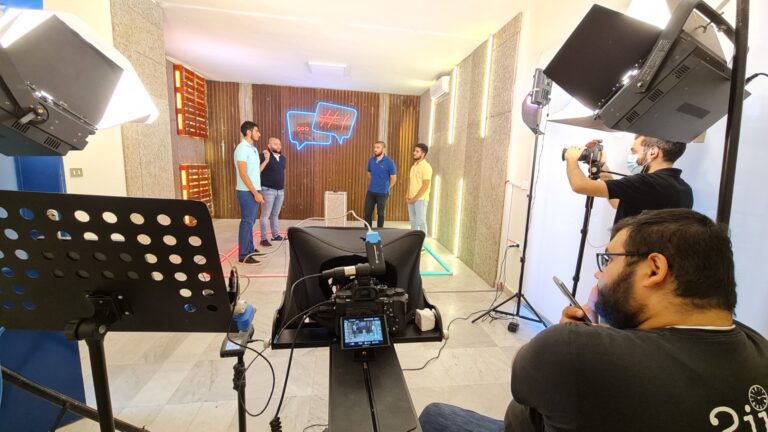
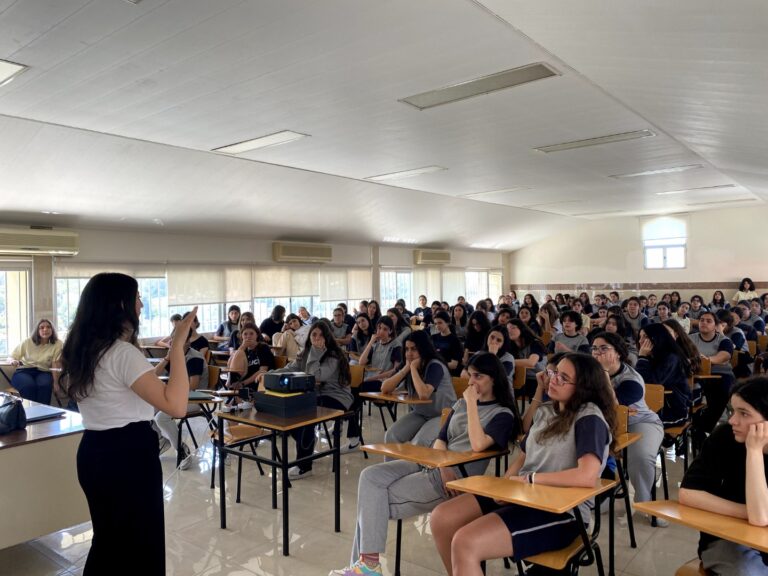
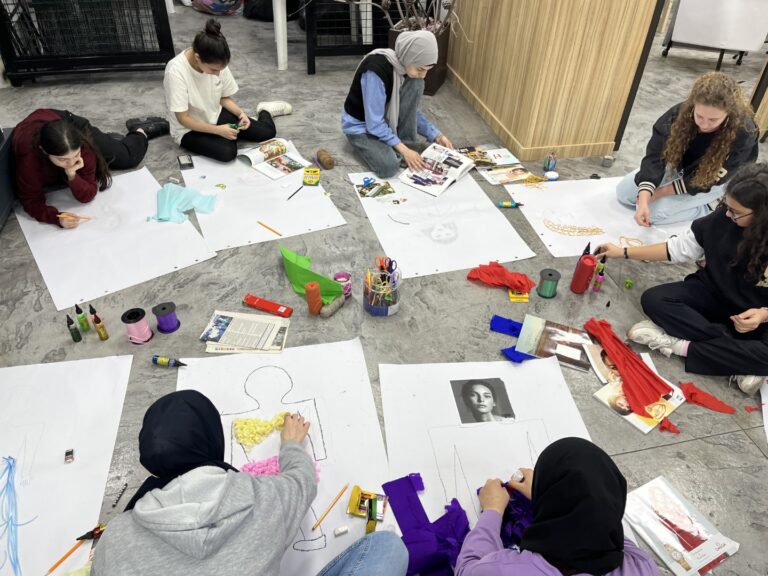
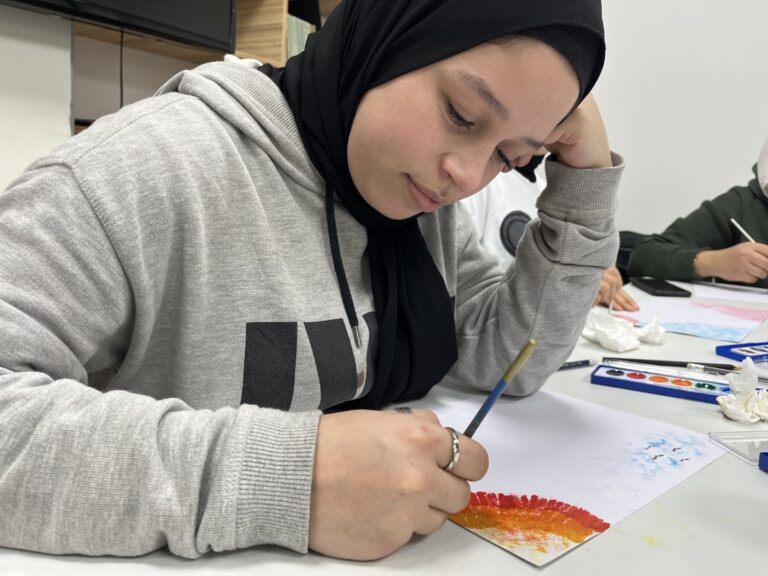
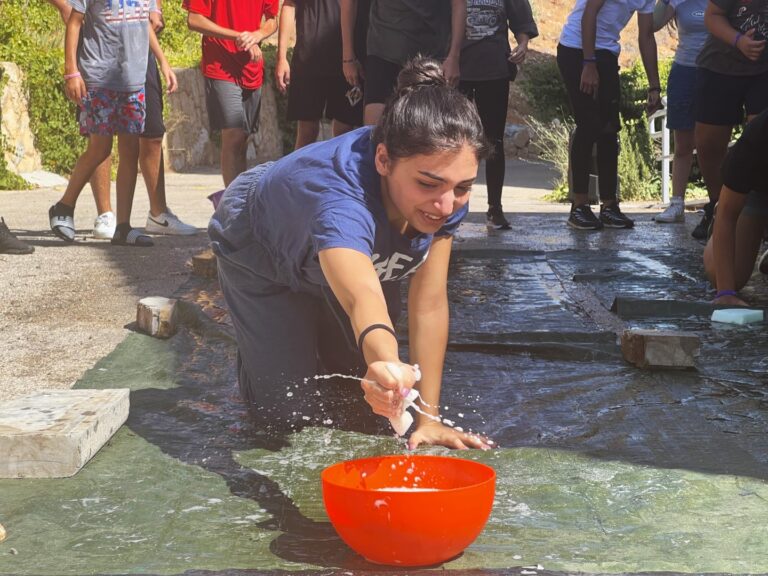
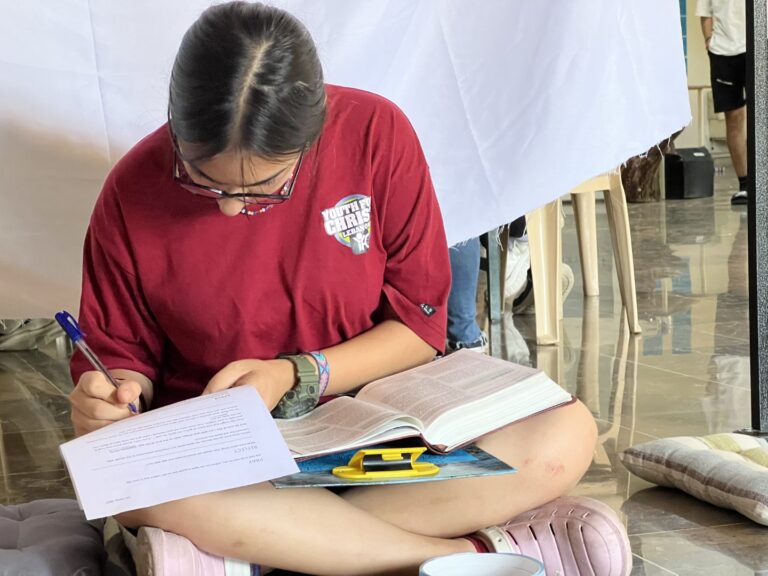
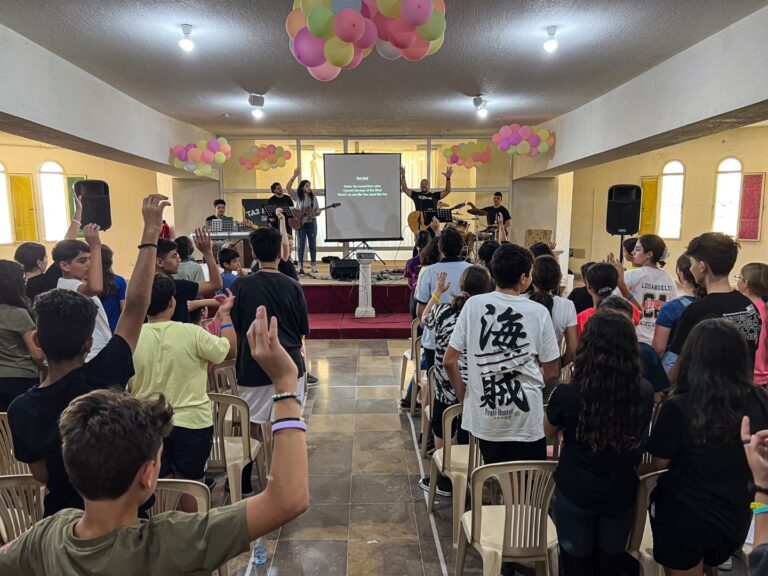
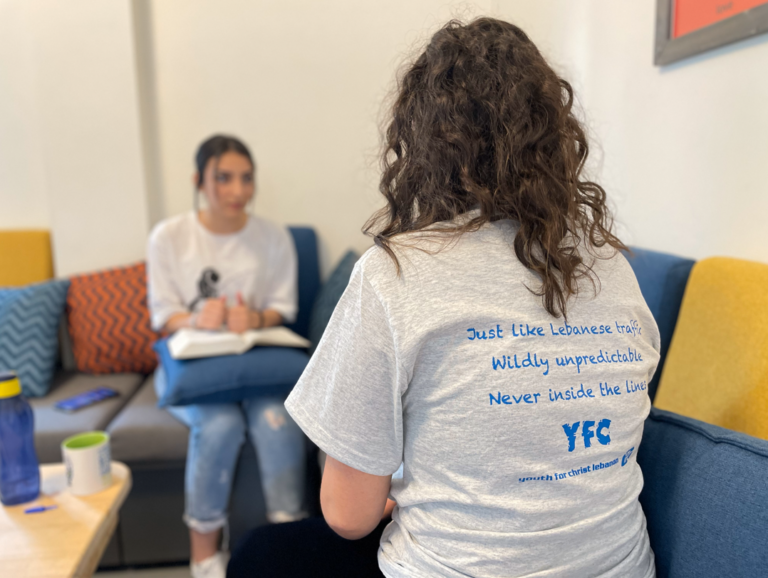
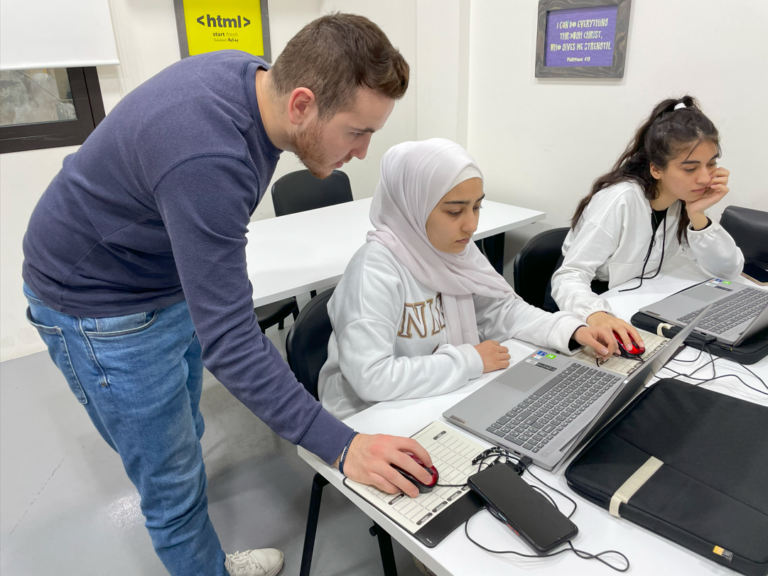
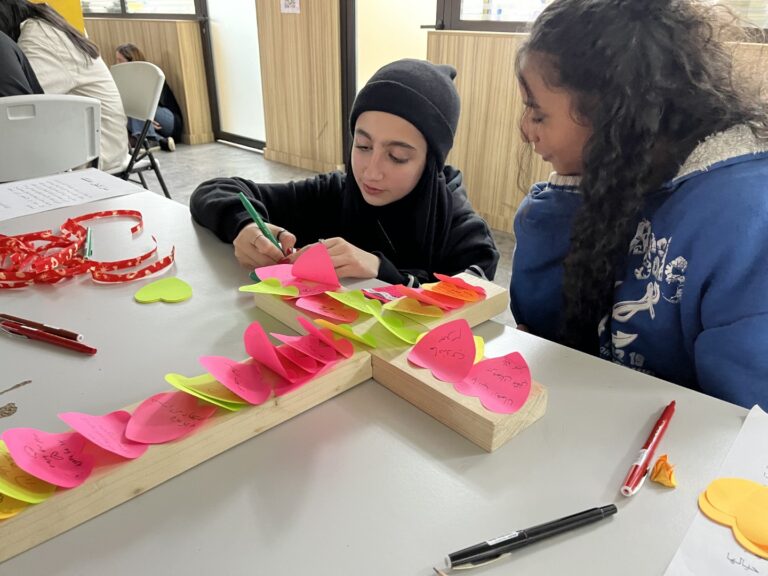
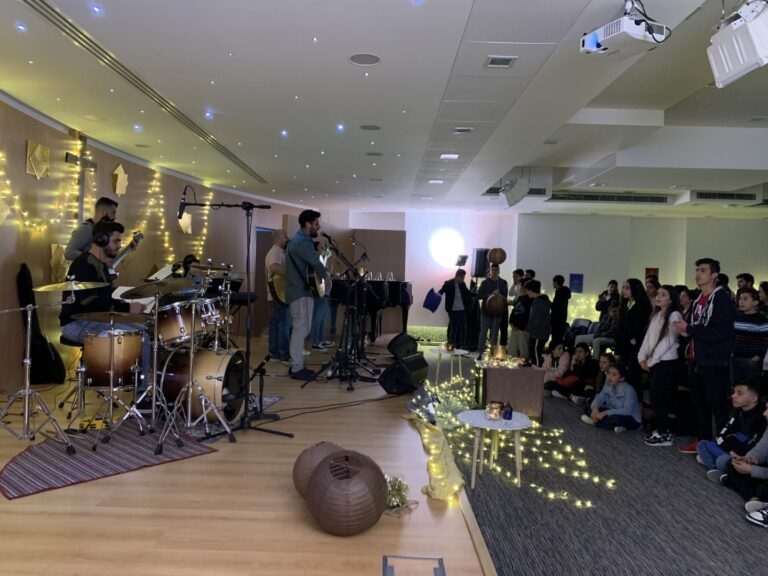
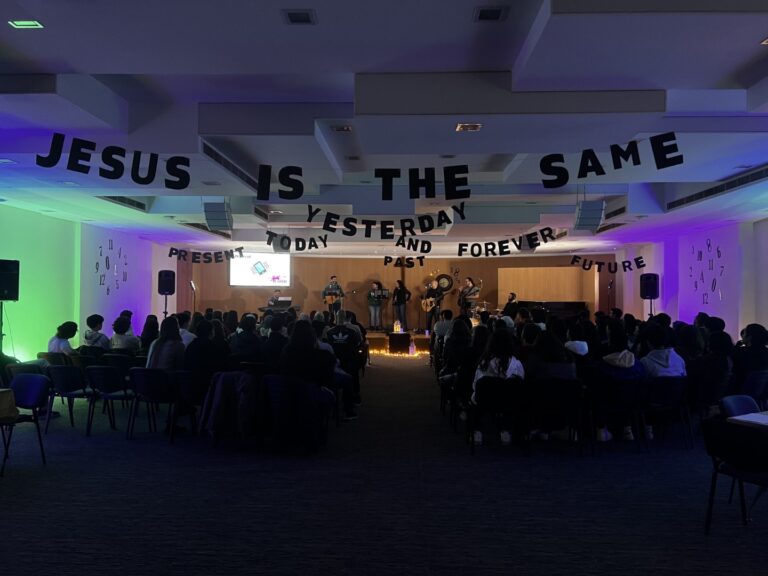
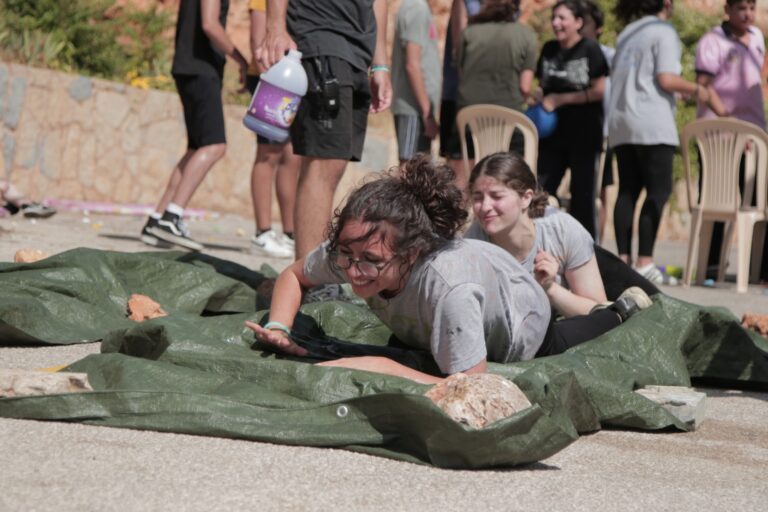
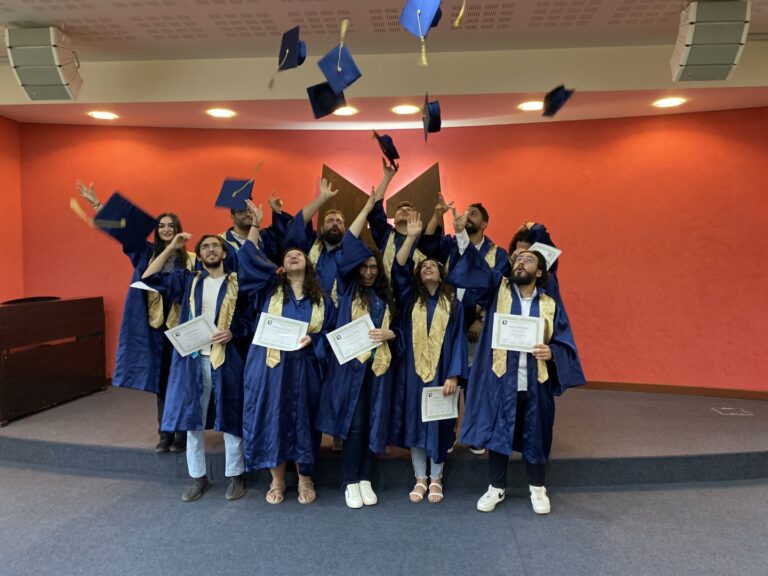
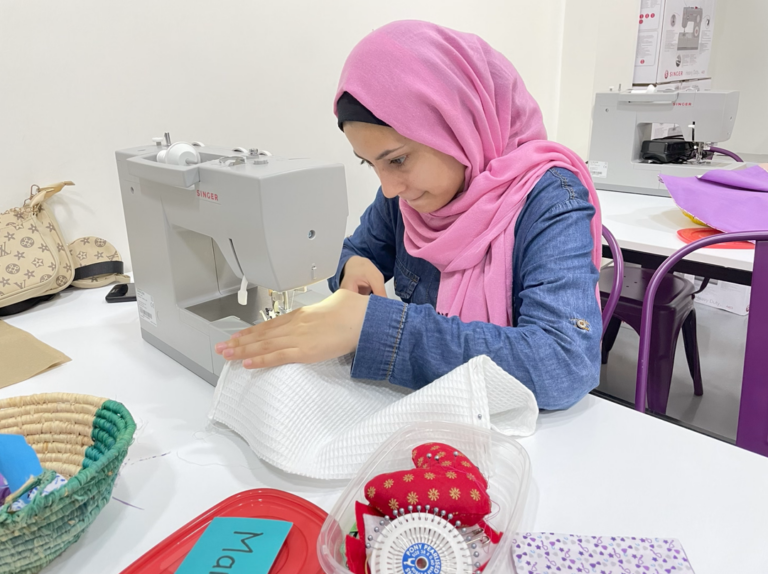
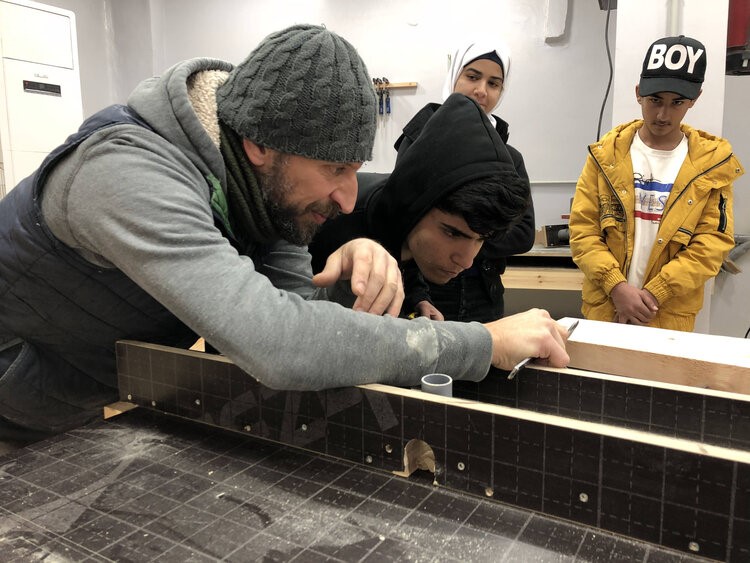
Youth for Christ Lebanon has been involved in young people’s lives since 1963, finally achieving official recognition from the government as a charity. It runs clubs for youth, special one-day events; camps and retreats which are evangelistic and where there is discipleship, leadership training; and its staff also hold school chapels and break time visits. Given the sometimes tense region all around it, ministry to confused and needy youth, addressing reconciliation and other “hot” issues are extremely important

Prayer Needs

  • Spiritual development of staff and volunteers.
  • Opportunities and boldness to share the Gospel.
  • Spiritual growth of youth.
  • Continued increase in volunteers and staff to care for young people’s complete needs.

About Lebanon

Lebanon

Introduction

Following World War I, France acquired a mandate over the northern portion of the former Ottoman Empire province of Syria. The French separated out the region of Lebanon in 1920, and granted this area independence in 1943. A lengthy civil war (1975-1990) devastated the country, but Lebanon has since made progress toward rebuilding its political institutions. Under the Ta'if Accord - the blueprint for national reconciliation - the Lebanese established a more equitable political system, particularly by giving Muslims a greater voice in the political process while institutionalizing sectarian divisions in the government. Since the end of the war, Lebanon has conducted several successful elections. Most militias have been reduced or disbanded, with the exception of Hizballah, designated by the US State Department as a Foreign Terrorist Organization, and Palestinian militant groups. During Lebanon's civil war, the Arab League legitimized in the Ta'if Accord Syria's troop deployment, numbering about 16,000 based mainly east of Beirut and in the Bekaa Valley. Israel's withdrawal from southern Lebanon in May 2000 and the passage in September 2004 of UNSCR 1559 - a resolution calling for Syria to withdraw from Lebanon and end its interference in Lebanese affairs - encouraged some Lebanese groups to demand that Syria withdraw its forces as well. The assassination of former Prime Minister Rafiq HARIRI and 22 others in February 2005 led to massive demonstrations in Beirut against the Syrian presence ("the Cedar Revolution"), and Syria withdrew the remainder of its military forces in April 2005. In May-June 2005, Lebanon held its first legislative elections since the end of the civil war free of foreign interference, handing a majority to the bloc led by Sa'ad HARIRI, the slain prime minister's son. In July 2006, Hizballah kidnapped two Israeli soldiers leading to a 34-day conflict with Israel in which approximately 1,200 Lebanese civilians were killed. UNSCR 1701 ended the war in August 2006, and Lebanese Armed Forces (LAF) deployed throughout the country for the first time in decades, charged with securing Lebanon's borders against weapons smuggling and maintaining a weapons-free zone in south Lebanon with the help of the UN Interim Force in Lebanon (UNIFIL). The LAF in May-September 2007 battled Sunni extremist group Fatah al-Islam in the Nahr al-Barid Palestinian refugee camp, winning a decisive victory, but destroying the camp and displacing 30,000 Palestinian residents. Lebanese politicians in November 2007 were unable to agree on a successor to Emile LAHUD when he stepped down as president, creating a political vacuum until the election of LAF Commander Gen. Michel SULAYMAN in May 2008 and the formation of a new unity government in July 2008. Legislative elections in June 2009 again produced victory for the bloc led by Sa'ad HARIRI, but a period of prolonged negotiation over the composition of the cabinet ensued. A national unity government was finally formed in November 2009 and approved by the National Assembly the following month. In January 2010, Lebanon assumed a nonpermanent seat on the UN Security Council for the 2010-11 term.

Geography

Location

Location: Middle East, bordering the Mediterranean Sea, between Israel and Syria
Geographic Coordinates: 33 50 N, 35 50 E

Area

Total Area: 10,400 sq km Rank: 169
Land Area: 10,230 sq km
Water Area: 170 sq km
Comparison: about 0.7 times the size of Connecticut
Land Boundaries: 454 km
Bordering Countries: Israel 79 km, Syria 375 km
Coastline: 225 km

Climate

Mediterranean; mild to cool, wet winters with hot, dry summers; Lebanon mountains experience heavy winter snows

Terrain

narrow coastal plain; El Beqaa (Bekaa Valley) separates Lebanon and Anti-Lebanon Mountains

Elevations

Lowest Point: Mediterranean Sea 0 m
Highest Point: Qurnat as Sawda' 3,088 m

Natural Resources

limestone, iron ore, salt, water-surplus state in a water-deficit region, arable land

Land Use

Arable land: 16.35%
Permanent Crops: 13.75%
Other: 69.9% (2005)
Irrigated Land: 1,040 sq km (2003)
Renewable Water Resources: 4.8 cu km (1997)
Total Freshwater withdrawal (domestic/industrial/agricultural): 1.38 cu km/yr (33%/1%/67%)
Freshwater Withdrawal Per Capita: 385 cu m/yr (2000)

Environment

Natural Hazards: dust storms, sandstorms
Environmental Issues: deforestation; soil erosion; desertification; air pollution in Beirut from vehicular traffic and the burning of industrial wastes; pollution of coastal waters from raw sewage and oil spills
Environmental Agreements: Party to: Biodiversity, Climate Change, Climate Change-Kyoto Protocol, Desertification, Hazardous Wastes, Law of the Sea, Ozone Layer Protection, Ship Pollution, Wetlands

Geography Notes

Nahr el Litani is the only major river in Near East not crossing an international boundary; rugged terrain historically helped isolate, protect, and develop numerous factional groups based on religion, clan, and ethnicity

People

Population: 4,017,095 (July 2010 est.) Rank: 126

Age Structure

0-14 years: 25.8% (male 528,047/female 506,838)
15-64 years: 67.1% (male 1,294,485/female 1,399,047)
65 years and over: 7.2% (male 130,148/female 158,530) (2010 est.)
Median Age: 28.3 years

Population Growth

Growth Rate: 1.107% (2010 est.) Rank: 123
Birth Rate: 17.1 births/1,000 population (2010 est.) Rank: 121
Death Rate: 6.03 deaths/1,000 population (July 2010 est.) Rank: 161
Net Migration Rate: NA

Urbanization

Urban Population: 87% of total population (2008)
Rate of Urbanization: 1.2% annual rate of change (2005-10 est.)

Life and Death

Infant Mortality Rate: 21.82 deaths/1,000 live births Rank: 96
Life Expectancy at Birth: 73.66 years Rank: 104
Fertility Rate: 1.78 children born/woman (2010 est.) Rank: 154

Health and Disease

HIV/AIDS - Adult Prevalence Rate: 0.1% (2007 est.) Rank: 119
People living with HIV/AIDS: 3,000 (2007 est.) Rank: 131
HIV/AIDS Deaths: fewer than 200 (2007 est.) Rank: 109

Nationality and Culture

Noun: Lebanese (singular and plural)
Adjective: Lebanese
Ethnic Groups: Arab 95%, Armenian 4%, other 1%
Note: many Christian Lebanese do not identify themselves as Arab but rather as descendents of the ancient Canaanites and prefer to be called Phoenicians
Religion: Muslim 59.7% (Shia, Sunni, Druze, Isma'ilite, Alawite or Nusayri), Christian 39% (Maronite Catholic, Greek Orthodox, Melkite Catholic, Armenian Orthodox, Syrian Catholic, Armenian Catholic, Syrian Orthodox, Roman Catholic, Chaldean, Assyrian, Copt, Protestant), other 1.3%
Note: 17 religious sects recognized
Languages: Arabic (official), French, English, Armenian

Education

Literacy (Meaning, age 15 and over can read and write): 87.4% Male: 93.1% Female: 82.2% (2003 est.)
School life expectancy (primary to tertiary education): 13 years Male: 13 years Female: 13 years (2006)
Education expenditures: 2.7% of GDP (2006) Rank: 153

Government

Country Name

Conventional Long Form: Lebanese Republic
Conventional Short Form: Lebanon
Local Long Form: Al Jumhuriyah al Lubnaniyah
Local Short Form: Lubnan
Formerly: Greater Lebanon
Government Type: republic
Capital: Beirut Geographic Coordinates: 33 52 N, 35 30 E

Administrative Divisions

6 governorates (mohafazat, singular - mohafazah); Beqaa, Beyrouth (Beirut), Liban-Nord, Liban-Sud, Mont-Liban, Nabatiye
Note: two new governorates - Aakar and Baalbek-Hermel - have been legislated but not yet implemented
Independence: 22 November 1943 (from League of Nations mandate under French administration)
National holiday: Independence Day, 22 November (1943)
Constitution: 23 May 1926; amended a number of times, most recently in 1990 to include changes necessitated by the Charter of Lebanese National Reconciliation (Ta'if Accord) of October 1989
Legal system: mixture of Ottoman law, canon law, Napoleonic code, and civil law; the constitutional court reviews laws only after they have been passed; has not accepted compulsory ICJ jurisdiction
Suffrage: 21 years of age; compulsory for all males; authorized for women at age 21 with elementary education; excludes military personnel

Executive Branch

Chief of State: President Michel SULAYMAN (since 25 May 2008)
Head of Government: Prime Minister Sa'ad al-Din al-HARIRI (since 9 November 2009); Deputy Prime Minister Elias MURR (since 9 November 2009)
Cabinet: Cabinet chosen by the prime minister in consultation with the president and members of the National Assembly
Elections: president elected by the National Assembly for a six-year term (may not serve consecutive terms); election last held on 25 May 2008 (next to be held in 2014); the prime minister and deputy prime minister appointed by the president in consultation with the National Assembly
Election Results: Michel SULAYMAN elected president; National Assembly vote - 118 for, 6 abstentions, 3 invalidated; 1 seat unfilled due to death of incumbent

Legislative Branch

unicameral National Assembly or Majlis al-Nuwab (Arabic) or Assemblee Nationale (French) (128 seats; members elected by popular vote on the basis of sectarian proportional representation to serve four-year terms)
Elections: last held on 7 June 2009 (next to be held in 2013)
Election Results: percent of vote by group - March 8 Coalition 54.7%, March 14 Coalition 45.3%; seats by group - March 14 Coalition 71; March 8 Coalition 57

Judicial branch

four Courts of Cassation (three courts for civil and commercial cases and one court for criminal cases); Constitutional Council (called for in Ta'if Accord - rules on constitutionality of laws); Supreme Council (hears charges against the president and prime minister as needed)
14 March Coalition: Democratic Left [Ilyas ATALLAH]; Democratic Renewal Movement [Nassib LAHUD]; Future Movement Bloc [Sa'ad al-HARIRI]; Kataeb Party [Amine GEMAYEL]; Lebanese Forces [Samir JA'JA]; Tripoli Independent Bloc
8 March Coalition: Development and Resistance Bloc [Nabih BERRI, leader of Amal Movement]; Free Patriotic Movement [Michel AWN]; Loyalty to the Resistance Bloc [Mohammad RA'AD] (includes Hizballah [Hassan NASRALLAH]); Nasserite Popular Movement [Usama SAAD]; Popular Bloc [Elias SKAFF]; Syrian Ba'th Party [Sayez SHUKR]; Syrian Social Nationalist Party [Ali QANSO]; Tashnaq [Hovig MEKHITIRIAN]
Independent: Democratic Gathering Bloc [Walid JUNBLATT, leader of Progressive Socialist Party]; Metn Bloc [Michel MURR]
Political pressure groups and leaders: Maronite Church [Patriarch Nasrallah SFAYR]
Other: note - most sects retain militias and a number of militant groups operate in Palestinian refugee camps
International Organization Participation: ABEDA, ACCT, AFESD, AMF, FAO, G-24, G-77, IAEA, IBRD, ICAO, ICC, ICRM, IDA, IDB, IFAD, IFC, IFRCS, ILO, IMF, IMO, IMSO, Interpol, IOC, IPU, ISO, ITSO, ITU, LAS, MIGA, NAM, OAS (observer), OIC, OIF, OPCW, PCA, UN, UN Security Council (temporary), UNCTAD, UNESCO, UNHCR, UNIDO, UNRWA, UNWTO, UPU, WCO, WFTU, WHO, WIPO, WMO, WTO (observer)
Flag Description: three horizontal bands consisting of red (top), white (middle, double width), and red (bottom) with a green cedar tree centered in the white band; the red bands symbolize blood shed for liberation, the white band denotes peace, the snow of the mountains, and purity; the green cedar tree is the symbol of Lebanon and represents eternity, steadiness, happiness, and prosperity

Economy

Economy Overview: Lebanon has a free-market economy and a strong laissez-faire commercial tradition. The government does not restrict foreign investment; however, the investment climate suffers from red tape, corruption, arbitrary licensing decisions, high taxes, tariffs, and fees, archaic legislation, and weak intellectual property rights. The Lebanese economy is service-oriented; main growth sectors include banking and tourism. The 1975-90 civil war seriously damaged Lebanon's economic infrastructure, cut national output by half, and all but ended Lebanon's position as a Middle Eastern entrepot and banking hub. In the years since, Lebanon has rebuilt much of its war-torn physical and financial infrastructure by borrowing heavily - mostly from domestic banks. In an attempt to reduce the ballooning national debt, the Rafiq HARIRI government in 2000 began an austerity program, reining in government expenditures, increasing revenue collection, and passing legislation to privatize state enterprises, but economic and financial reform initiatives stalled and public debt continued to grow despite receipt of more than $2 billion in bilateral assistance at the 2002 Paris II Donors Conference. The Israeli-Hizballah conflict in July-August 2006 caused an estimated $3.6 billion in infrastructure damage, and prompted international donors to pledge nearly $1 billion in recovery and reconstruction assistance. Donors met again in January 2007 at the Paris III Donor Conference and pledged more than $7.5 billion to Lebanon for development projects and budget support, conditioned on progress on Beirut's fiscal reform and privatization program. An 18-month political stalemate and sporadic sectarian and political violence hampered economic activity, particularly tourism, retail sales, and investment, until the new government was formed in July 2008. Political stability following the Doha Accord of May 2008 helped boost tourism and, together with a strong banking sector, enabled real GDP growth of 7% in 2009 despite a slowdown in the region.

Gross Domestic Product

GDP (purchasing power parity): $53.98 billion (2009 est.) Rank: 89
GDP - real growth rate: 6.9% (2009 est.) Rank: 12
GDP - per capita (PPP): $13,200 (2009 est.) Rank: 82
GDP - Composition by Sector: Agriculture: 5.4% Industry: 16.7% Services: 77.9% (2009 est.)

Labor Force

Labor Force: 1.481 million Rank: 130
Note: in addition, there are as many as 1 million foreign workers (2007 est.)
Labor force - by occupation: Agriculture: NA Industry: NA Services: NA
Unemployment Rate: 9.2% (2007 est.) Rank: 108

Poverty

Population below poverty line: 28% (1999 est.)
note: rail system unusable because of the damage done during fighting in the 1980s and in 2006 (2008)
total: 6,970 km (includes 170 km of expressways) (2005)
country comparison to the world: 147

Transnational Issues

International Disputes: lacking a treaty or other documentation describing the boundary, portions of the Lebanon-Syria boundary are unclear with several sections in dispute; since 2000, Lebanon has claimed Shab'a Farms area in the Israeli-occupied Golan Heights; the roughly 2,000-strong UN Interim Force in Lebanon (UNIFIL) has been in place since 1978
Refugees and internally displaced persons - refugees (country of origin): 405,425 (Palestinian refugees (UNRWA)); 50,000-60,000 (Iraq)
International Displaced Persons: 17,000 (1975-90 civil war, Israeli invasions); 200,000 (July-August 2006 war) (2007)

Want to know more? Show Full Profile